
In our vibrant corner of the world, we often celebrate physical strength. We admire the farmer who toils under the sun, the market woman who carries impossible loads with grace and the athlete who breaks records. But there is another kind of strength that is just as vital, yet often stays hidden in the shadows: mental strength.
Mental health isn't just the absence of a condition. It is the very engine of our lives. It’s how we think, feel, and act as we navigate the ups and downs of life, from the joy of a child's naming ceremony to the stress of a tight monthly budget. When our mental health is in good shape, we can realize our potential, cope with the normal stresses of life, work productively and contribute to our beloved communities.
However, just as a physical body can catch a fever or suffer a break, the mind can also face challenges. Understanding these isn't about "madness"; it’s about science, biology and the human experience.
The Big Five: Understanding Common Mental Health Disorders
To build stronger communities, we must first understand the hurdles some of our brothers and sisters face. Here is a deep dive into five of the most common mental health disorders, framed in a way that resonates with our daily lives.
1. Anxiety Disorders: The "Overactive Watchman"
Imagine you have a security guard at your gate who is so dedicated that he blows his whistle every time a leaf falls or a cat walks by. That is anxiety. While a little bit of worry helps us prepare for an exam or a job interview, an anxiety disorder is when that "whistle" never stops blowing.
- Generalized Anxiety Disorder (GAD): This is chronic, exaggerated worrying about everyday life. It’s not just being concerned about money; it’s a constant, physical feeling of dread that something "bad" is about to happen, even when things are going well.
- Panic Disorder: This involves sudden "attacks" of terror. Your heart might race like a sprinter's, you might sweat, or feel like you can't breathe. In our setting, people often mistake this for a heart attack or a spiritual "attack," but it is often the body’s fight-or-flight system misfiring.

2. Depression: The "Heavy Shadow"
We’ve all felt "down" or "blue," but clinical depression is different. It’s like a heavy, grey cloth has been draped over your entire life, muffling every sound and stealing every color.Depression (Major Depressive Disorder) affects how you feel, the way you think and how you act. It can lead to a variety of emotional and physical problems.
- Symptoms: Loss of interest in activities once enjoyed (like a Sunday afternoon football match), changes in appetite, trouble sleeping, or feeling "heavy" in your limbs.
- The Reality: It is not a sign of a "weak" spirit or a lack of gratitude. It is a complex medical condition involving brain chemistry, genetics and life experiences.

3. Post-Traumatic Stress Disorder (PTSD): The "Broken Record"
Life can be hard. Sometimes, we witness or experience things that are deeply shocking or scary, an accident on the motorway, a sudden loss, or a violent event. While most people recover over time, some find that their brain gets stuck in that moment.
PTSD is like a broken record that keeps playing the most painful part of your life over and over.
- Flashbacks: Feeling as if the event is happening again in the present.
- Avoidance: Staying away from places or people that remind you of the trauma.
- Hyper-vigilance: Being constantly "on edge" or easily startled.
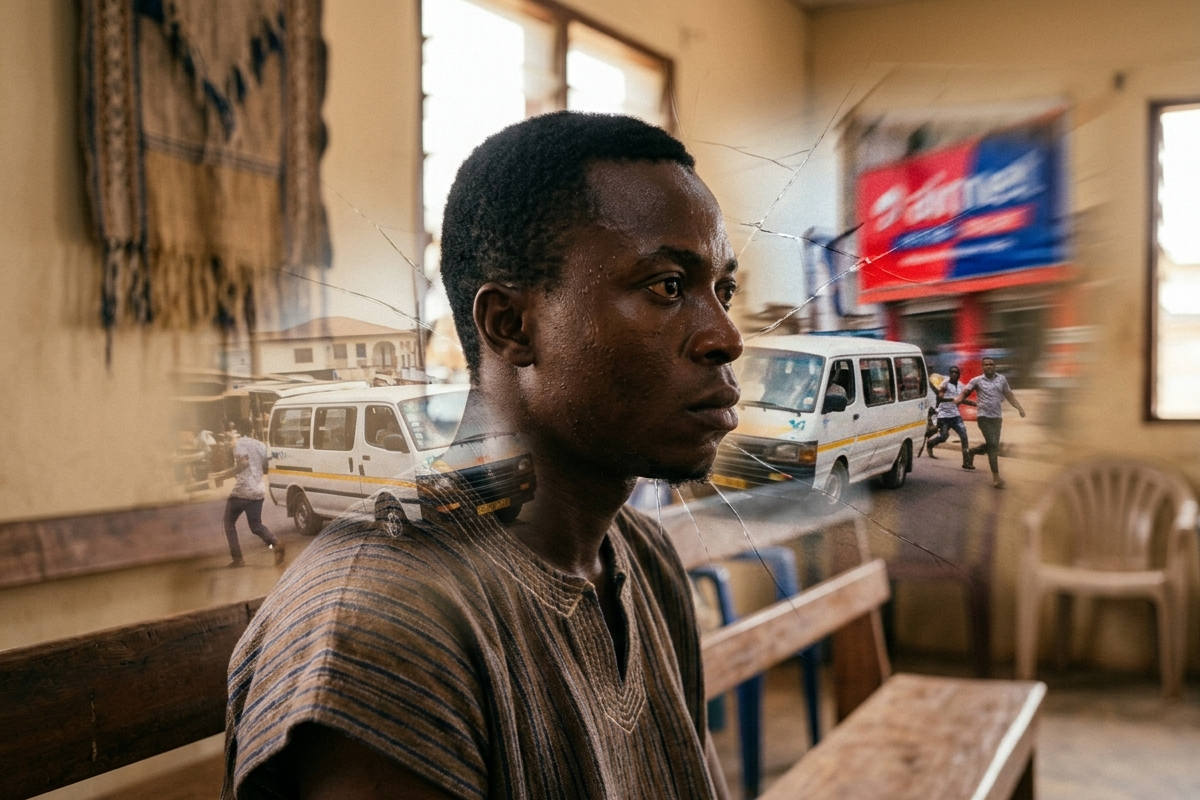
4. Bipolar Disorder: The "Emotional Seesaw"
We all have moods, but Bipolar Disorder causes extreme shifts in energy and activity levels. It’s like being on a seesaw that swings between two very different worlds.
- Manic Episodes: A period of being "high," overly happy, or extremely irritable. A person might feel they have "superpowers," talk very fast, or spend money they don't have.
- Depressive Episodes: The seesaw swings down into the depths of depression described above.
These aren't just "mood swings"; they are intense cycles that can make maintaining a job or a relationship very difficult without the right support.

5. Obsessive-Compulsive Disorder (OCD): The "Mental Loop"
OCD is often joked about as just being "too clean," but the reality is much more exhausting. It consists of two parts: Obsessions (unwanted, intrusive thoughts) and Compulsions (repetitive behaviors performed to "quiet" those thoughts).
Imagine having a thought that your hands are covered in invisible poison. To stop the terrifying feeling that you might hurt your family, you feel forced to wash your hands exactly twenty times in a specific way. If you miss a step, you have to start over. It’s a mental loop that can take up hours of a person's day, leaving them drained and frustrated.

Why Knowledge is the First Step to Healing
In our Ghanaian and wider African settings, we are masters of resilience. But true resilience means knowing when to ask for a helping hand. By learning these terms and understanding that these are health conditions and not character flaws, we strip away the stigma.
When we know what we are dealing with, we can stop whispering and start talking. We can encourage a friend to see a professional, just as we would encourage them to see a doctor for a persistent cough.
Stronger Minds, Stronger Communities. It starts with understanding. It grows with empathy. And it triumphs when we realize that no one has to carry their heavy load alone.

Prof. Pinaman Appau
Consultant Psychiatrist with over 15 years of clinical practice, academic instruction and high-level administration.