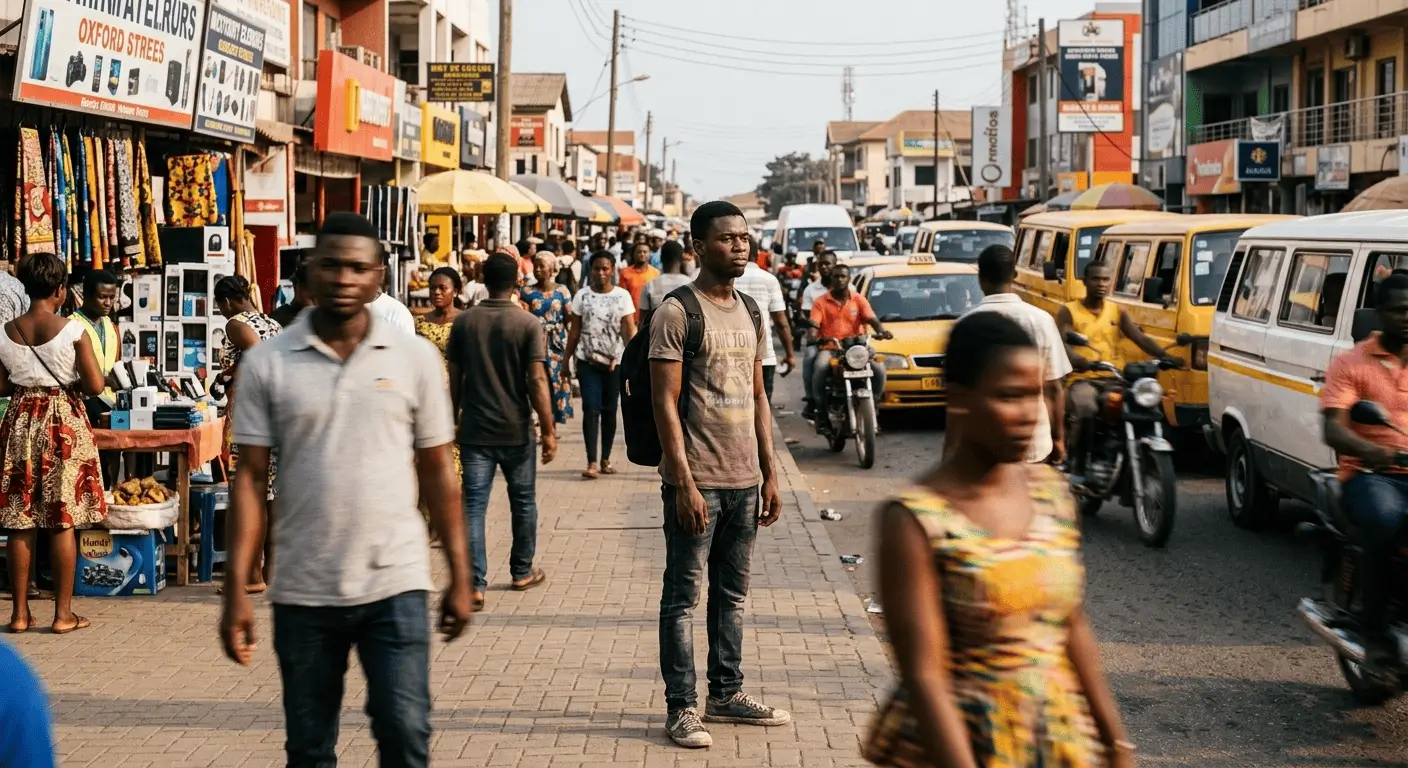

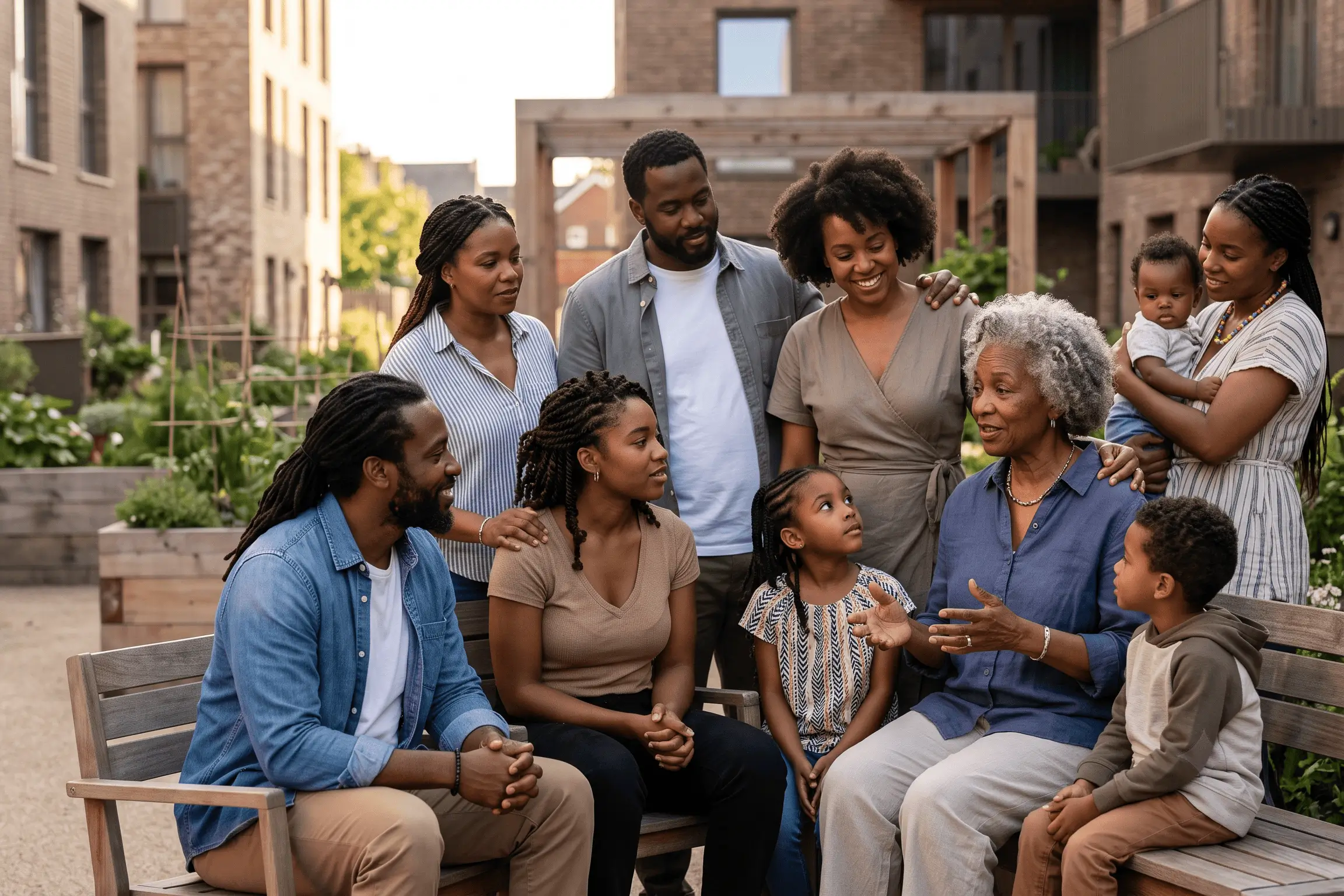
The concept of "family" has always been our strongest emotional safety net. In many cultures, particularly across Africa, this net extended far beyond a single household. It was a vast web of aunts, uncles, grandparents and neighbors, a collective system of responsibility where support was abundant and shared. When a challenge arose, the family rallied. When someone needed care, it was given without question.
But today, the modern family stands at a critical intersection. We are navigating a delicate balance between the deeply rooted traditions our grandparents knew and the fast-paced, digital realities our children are inheriting.
As society shifts, so do the pressures inside our homes. Protecting our mental health requires us to honestly acknowledge these changes and proactively safeguard the values that keep us grounded.
The Weight of Cultural Transition
The structures that once protected us against isolation are undergoing unprecedented strain. We are currently experiencing what mental health experts call cultural transitioning: the psychological stress of adapting to new economic and social environments.
Dr. Nana Yaa Brown, Board Chair of the Pluvia Gratiae Mental Health Foundation, recently highlighted the modern forces reshaping the home.
"Urbanization has drawn many of us away from our ancestral homes and extended family networks, leaving us in cities where we may feel isolated, despite being surrounded by people. Economic stress places enormous strain on parents... and migration has separated families across regions and continents, weakening the support system that once held us together."
As families move from close-knit, collectivist communities to more individualistic, fast-paced urban centers, the rules of daily life change. What is expected of a parent, a child or an elder often clashes with modern realities, leading to intergenerational conflict and a quiet crisis of identity.
The Silent Epidemic of Isolation
In the past, the community itself acted as a buffer against emotional distress. The phrase "it takes a village" was a daily practice. Today, that village is fading behind concrete walls and closed doors.
Dr. Leveana Gyimah, Technical Officer for Mental Health at the WHO Ghana, captured this shift perfectly.
"Growing up, we realized that we lived in communities. You could actually smell what was cooking in the next house and children interacted freely. An adult could discipline a child and the parents would come and thank them. But now, we are gradually losing these protective factors."
This growing isolation strips away family cohesion and community support, two of our most powerful defenses against anxiety, depression, and burnout. Furthermore, the rise of technology has created a paradox within the home: family members can sit in the same room, hyper-connected to the rest of the world through their screens, yet entirely emotionally disconnected from one another.

Finding the Middle Ground: Integration
When faced with these modern pressures, it is easy to fall into polarized thinking. We might feel forced to either cling rigidly to the past and ignore modern realities—or abandon our cultural values entirely.
The healthiest path forward lies in integration.
"This is not a conversation about choosing between traditions and modernity," Dr. Brown clarified. "Rather, it is thoughtfully weaving together the best of our traditional strength with the best of modern mental health knowledge to create approaches that are both culturally grounded and scientifically sound."
It is entirely possible to honor our heritage while adopting modern emotional intelligence. We can respect our elders while also setting healthy boundaries. We can value hard work while also prioritizing rest and mental well-being.
Actionable Wellness Tips for the Modern Household
Reclaiming your family’s mental health does not require drastically changing your life overnight. It begins with small, intentional shifts in how you connect:
- Rebuild Your "Village": You may not live near your extended family, but you can cultivate a chosen community. Lean into trusted friendships, neighborhood groups, or local organizations that provide mutual support.
- Bridge the Generational Gap: Make time to share family history, languages and cultural values with younger generations. A strong sense of cultural identity is proven to boost self-esteem and resilience in children.
- Break the Silence: Challenge the stigma that discourages talking about emotional pain. Ask your loved ones, "How are you really doing?" and be prepared to listen without judgment or immediate attempts to "fix" the problem.
- Create Tech-Free Zones: Establish specific times or spaces in the house (like the dinner table) where phones are put away. Use this time to genuinely check in with one another.
A Resilient Future
The modern family is not broken; it is simply evolving. The collective empathy, intergenerational wisdom, and spiritual depth of our heritage are not relics of the past. They are vital resources waiting to be reactivated.
By actively blending the supportive warmth of our traditions with modern mental health awareness, we can build homes capable of withstanding the pressures of the 21st century. The work of preserving our mental well-being begins today, and it begins together.

Ms. Lydia Sackey
Mental Health Nurse with over 15 years of healthcare experience. With keen interest in Quality Management and patient safety she has led in developments of protocols and guidelines to improve mental health outcomes.