
Healthy Boundaries Protect Healthy Minds
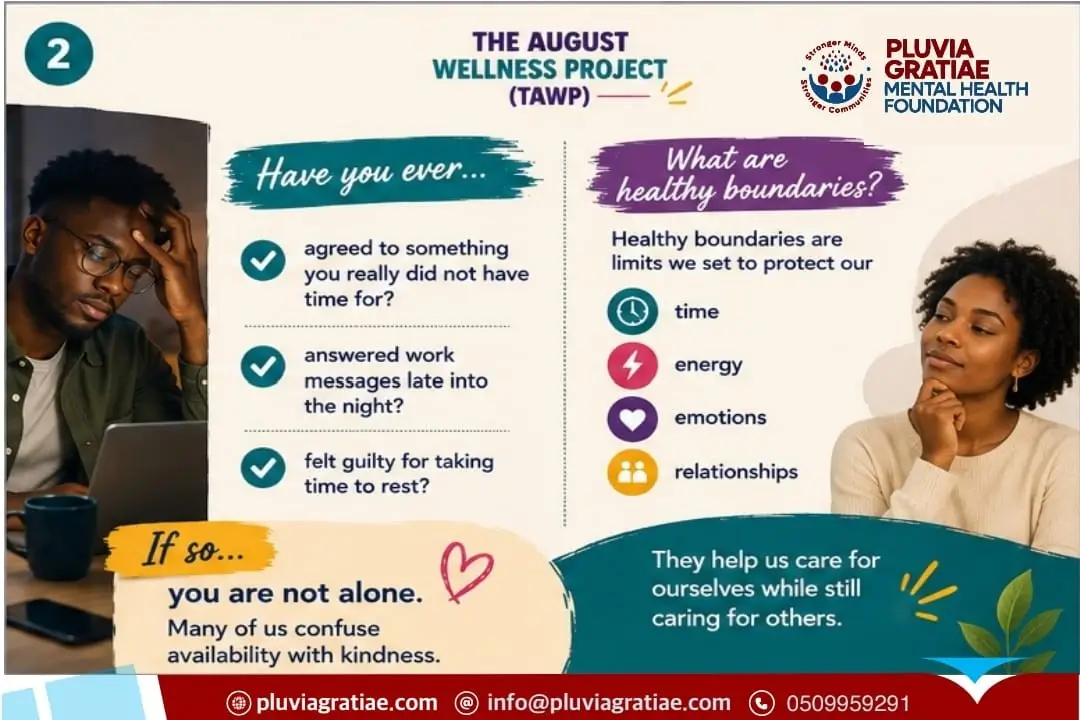
Have you ever agreed to something you didn't really have time for?
Have you answered work messages long after the workday had ended because you felt you couldn't ignore them?
Have you felt guilty for taking time to rest, saying "no," or putting your own needs first?
If you answered yes to any of these questions, you're not alone. Many of us grow up believing that always being available, always saying yes or constantly putting others first is a sign of kindness or commitment. While generosity and compassion are important, they should not come at the expense of our own wellbeing.
Healthy boundaries are one of the most practical and effective ways to care for ourselves while maintaining healthy relationships with others.
What Are Healthy Boundaries?
Healthy boundaries are the limits we intentionally set to protect our time, energy, emotions and personal wellbeing.
They help us decide what we are comfortable with, what we need, and how we want others to treat us. Boundaries also help us communicate those needs respectfully and consistently.
Setting boundaries does not mean shutting people out. Instead, it creates space for healthier relationships by encouraging mutual respect, understanding and balance.
Some examples of healthy boundaries include:
- Saying, "I can't commit to that today."
- Taking your full lunch break without feeling guilty.
- Turning off work notifications after working hours.
- Choosing not to engage in conversations that leave you feeling emotionally drained.
- Protecting your sleep by limiting late-night distractions.
Why Do Boundaries Matter?
Without healthy boundaries, it becomes much easier to experience:
- Burnout
- Chronic stress
- Emotional exhaustion
- Resentment
- Difficulty balancing work, family and personal responsibilities
Over time, constantly ignoring our own needs can affect not only our mental health but also the quality of our relationships and our ability to support others.
Boundaries are not barriers. They are a form of self-respect that allows us to care for ourselves and continue showing up for the people and responsibilities that matter.
A Different Way to Think About Boundaries
Imagine your emotional energy as a phone battery.
If you continue giving your time, attention and energy without taking time to recharge, your battery will eventually run low. Healthy boundaries are like the habits that help keep your battery charged. They remind us to rest, recharge and protect the energy we need to live well.
Caring for yourself isn't selfish. It's necessary.
Looking Ahead
This Saturday, we'll explore five practical ways you can begin building healthier boundaries in your daily life. You'll discover simple habits that can help you protect your peace, reduce stress and create healthier relationships.

Abishag Kohl
Committed to empowering minds, fostering hope, and building resilience in Ghana through community outreach, education, and compassionate mental health advocacy.