

We are naturally wired to celebrate physical milestones. We take photos of first steps, mark heights on doorframes, and cheer when our children finally outgrow their shoes. Physical growth is highly visible, making it easy to track and support with healthy food and safe shelter.
But as Dr. Isaac Newman Arthur, Medical Director and Clinical Psychologist, noted during a recent Pluvia Gratiae Mental Health Foundation webinar, human development extends far beyond the physical realm.
"While you see your child grow physically... they are also growing socially, mentally and spiritually," he explained.
True family well-being requires us to actively nurture all four of these dimensions, from early childhood well into late adulthood. If an adult is struggling to function or connect, it often points to an unmet developmental need in one of these invisible areas.
The Environment for Potential
To understand human potential, Dr. Arthur shared a simple, grounding analogy: the seed.
Every seed contains the inherent blueprint to grow. But whether it thrives or withers depends entirely on the environment: the soil, the sunlight, and the water it receives.
Children operate the exact same way. Every child has the natural capacity to flourish and mature. However, the environment they grow in dictates their emotional baseline. You can provide the best schools, the latest technology, and a comfortable home, but the ultimate "nutrients" required for a human being to thrive are non-negotiable: love, warmth, and unconditional acceptance. When a child feels safe and accepted exactly as they are, the home becomes a secure base from which they can confidently explore the world.

Everyday Experiences That Shape the Brain
A child's mental and social development is heavily influenced by the daily information they absorb and the interactions they observe. Dr. Arthur highlighted several areas where caregivers often unknowingly impact this growth:
- The Weight of Our Words: Every sentence spoken to a child helps draft their internal narrative. Constant criticism, yelling, or negative labeling teaches a child to internalize shame. Conversely, a child who consistently hears that they are capable, kind, and valued naturally builds a resilient self-image.
- What They Observe at Home: Children are highly perceptive. They learn emotional regulation by watching how the adults around them navigate stress and conflict. Witnessing parents treat each other with respect models healthy boundaries while exposure to constant hostility severely disrupts a child's psychological development.
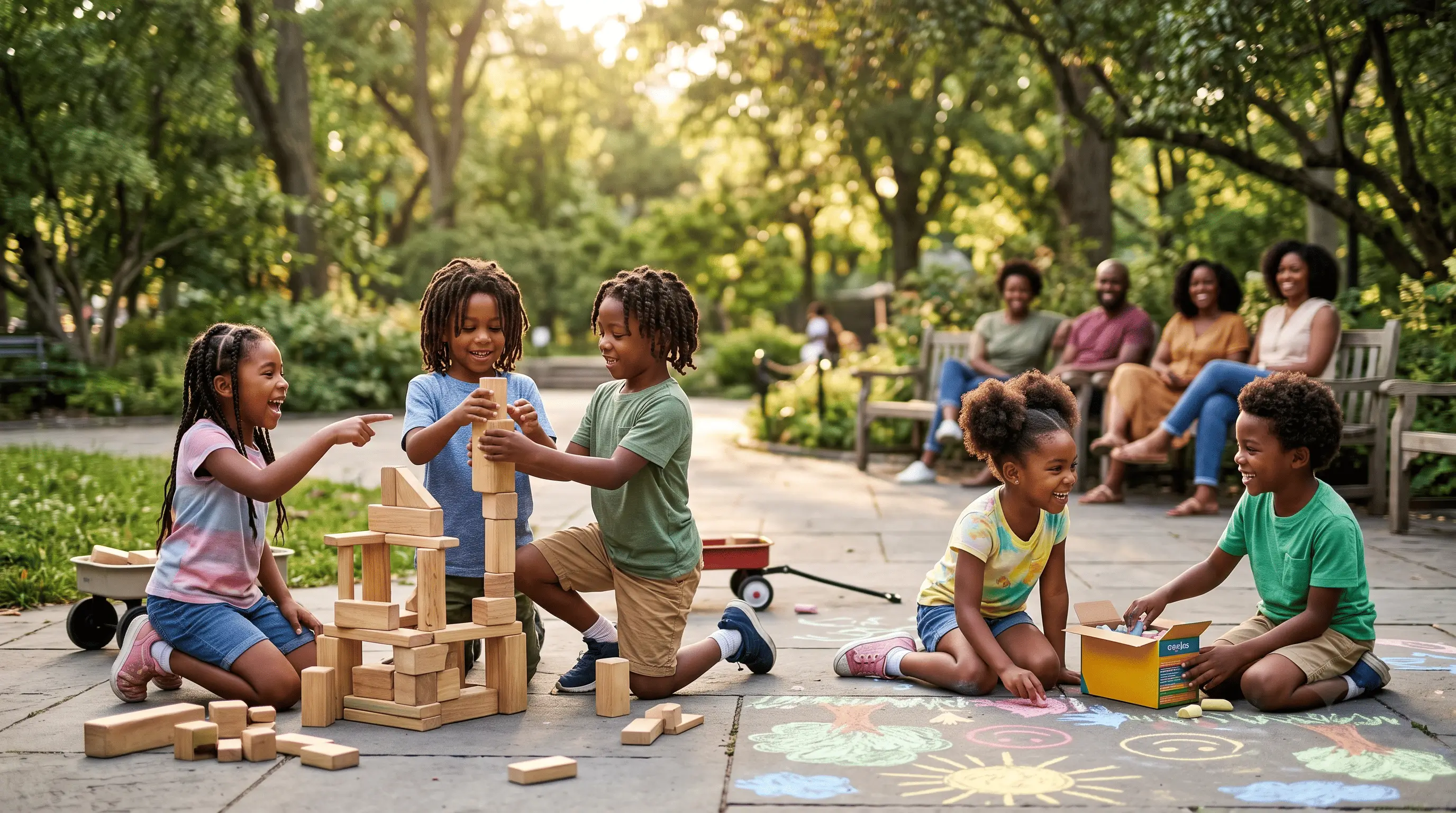
- The Necessity of Play: In today’s highly competitive academic culture, play is frequently treated as an afterthought or a reward for finishing homework. Clinically, however, play is the primary vehicle for growth. Unstructured play develops cognitive flexibility, social skills, and emotional intelligence in ways that textbooks simply cannot.
- The Trap of Comparison: Comparing siblings or peers is a common but harmful habit that fractures self-esteem and breeds resentment. Instead of setting children against one another to motivate them, caregivers must learn to identify and nurture the unique strengths of each individual.
Addressing the Roots of Generational Pain
One of the most sobering realities of family dynamics is how unhealed pain carries forward. Biological research, particularly in the field of epigenetics, shows that severe, unresolved stress can actually influence gene expression.
When individuals carry untreated childhood wounds into adulthood and parenthood, they often inadvertently transfer that emotional instability to the next generation. This means that a parent's unaddressed mental health directly impairs their child's ability to handle stress.
Acknowledging your own struggles and seeking professional support is not a sign of poor parenting. On the contrary, taking the time to heal yourself is one of the most profound acts of care you can offer your family.
Fostering Independence as They Grow
As children mature into teenagers and young adults, their developmental needs naturally shift. They require less direct management and more understanding, space, and purpose.
During these transitional years, caregivers must pivot from dictating to discussing. Forcing a young adult into a specific career path or habitually shutting down their opinions creates a deep disconnect. When teenagers feel unheard at home, they will organically seek validation and guidance elsewhere, sometimes in unhealthy places. Guiding them successfully means creating a collaborative environment where their aspirations are heard and respected.
Raising a healthy, fully realized adult is a deliberate process. It requires mindful attention to the physical, mental, social, and spiritual environments we cultivate within our homes. By providing unconditional support and actively prioritizing our own emotional health, we give the children in our families the exact foundation they need to flourish.

Dr. Nana Yaa Adobea Brown
A senior specialist psychiatrist and Technical Director of Ghana's Mental Health Authority, leading efforts to expand accessible, community-based mental healthcare and champion mental health advocacy nationwide.